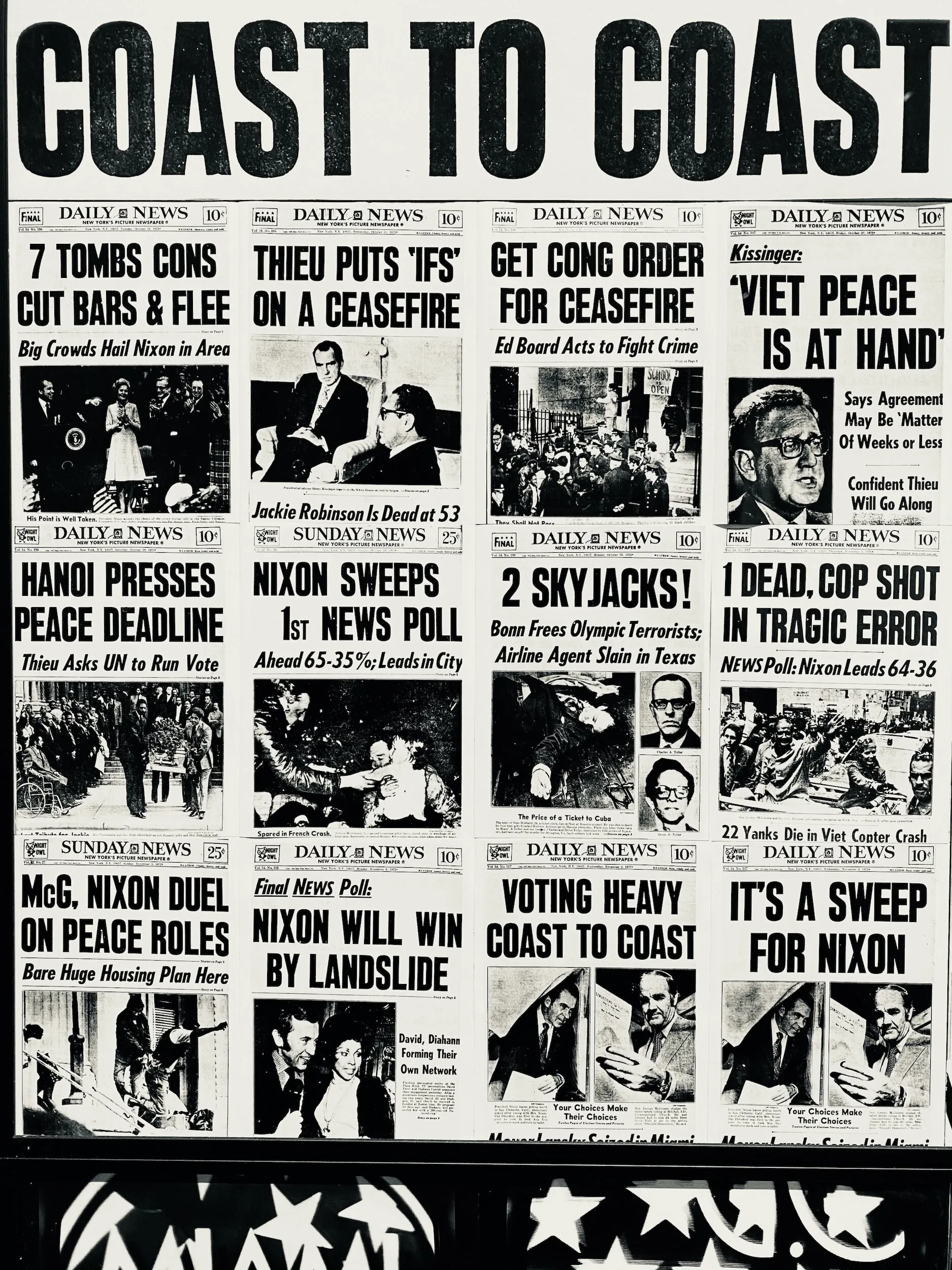
An embargo is an agreement that journalists may receive information now and publish it at an agreed later time. It exists so reporters can prepare a proper story — interviews, context, fact-checking — instead of racing a rushed one, and so several publications can run simultaneously rather than one scooping the rest. It is an agreement, not a rule: a journalist who never accepted it is not bound by it, and one who did can still break it. Three weeks of notice makes an embargo useful. A day's notice is not an embargo, it is an inconvenience.
Embargo versus exclusive
| Embargo | Exclusive | |
|---|---|---|
| Who gets it | Several publications | One |
| When they publish | Same agreed moment | Whenever they choose, first |
| You get | Breadth, simultaneous coverage | Depth, better placement |
| You give up | The leverage of exclusivity | Everyone else |
| Best for | Most B2B launches, funding, research | When one outlet matters far more |
Doing neither — announcing publicly and hoping reporters notice — is the default failure. It puts you in competition with that day's actual news with no lead time for anyone.
How to offer one
Say it in the first line. "Under embargo until 8am ET, Tuesday 11 August." Not at the bottom, not in the release footer.
Ask for acceptance, do not assume it. A journalist who has not agreed is not bound. The correct form is offering the information subject to embargo, and only sending the detail once they accept. Sending everything and announcing an embargo afterwards is not an agreement — it is a request they are free to ignore.
Give real notice. Three weeks lets a reporter schedule, request interviews and write properly. One week is workable. A day is not.
Be specific about the time and zone. "8am ET" — not "Tuesday morning".
State what is covered. Whether they may speak to customers, whether images are included, whether they may confirm with third parties before the lift.
Who you offer it to is the whole risk
This is the part most guides skip, and it is where embargoes actually go wrong.
The incentive is not the same at every outlet. Reporters at established tier-one publications generally honour embargoes — their reputation depends on it and they have nothing to gain from being first by twenty minutes. Smaller outlets face a different calculation. Being first to publish a genuinely big story captures the initial search traffic, and that is worth real money to a publication competing for it. The more valuable your news, the stronger that incentive gets.
The consequence is worse than the leak itself. We have had an embargo broken by a smaller outlet, and the reporter we actually wanted — at the publication that mattered — saw it had already run and dropped the story entirely. Not out of pique. There is simply no reason to write a piece that is already public somewhere else.
So the risk is not only that the news comes out early. It is that breaking the embargo destroys the value of the story for the one journalist you built the whole plan around.
"The reporters most likely to break your embargo are the ones who need the traffic most. And the damage isn't the leak, it's that the writer you actually wanted sees it's already out and walks away. You lose the story you were doing all of this for."
Justin Mauldin, Founder, Salient PR
Practical rules that follow from this:
- Offer embargoes to people you have a relationship with, or to publications whose reputation makes breaking one costly for them.
- The bigger the news, the shorter the list. Juicy stories are the ones that leak.
- If you are running an exclusive with a tier-one outlet, do not also embargo it widely. You are creating exactly the conditions that lose you the exclusive.
- Assume anything sent to twenty people will be public. Decide whether you can live with that before you send it.
"Before anything goes out I check whether the reporter has written about the category in the last 90 days. If they haven't, they come off the list. That one rule kills more pitches than any editing pass."
Lindsey Ranger, Account Lead, Salient PR
Never move an embargo once it is set
If you take one thing from this page, take this one.
Some journalists will simply refuse. They accepted the original time, they planned around it, and they will publish then regardless of what has changed on your end. We have had this argued out over email — the reporter's position being that they agreed to a specific time, that agreement stands, and the fact that your announcement slipped is not their problem. They are entitled to that view. It is not common, but it happens, and there is no leverage to apply when it does.
Now consider the position that puts you in. Your news moves back three days. One publication runs it at the original time anyway. Your announcement is public before you are ready, your other outlets are sitting on a story that is no longer embargoed, and you are explaining to a client why the news broke on a day nobody planned for.
"Never move an embargo. Some reporters will refuse outright, and they're within their rights, because they agreed to the first time and planned around it. If your news slips three days and one outlet runs it anyway, you have no move left. Set a date you are certain of."
Justin Mauldin, Founder, Salient PR
The second reason is purely operational. Shifting an embargo means re-contacting every journalist individually, confirming each one received the change, and getting the new date and time zone right for all of them. With ten or fifteen people that is a genuine opportunity for something to go wrong, and one person working from the old time is all it takes.
What to do instead: set the embargo date only once every dependency is settled — legal, the customer quote, the executive's calendar, the product actually shipping. If any of those is uncertain, do not offer an embargo yet. Brief reporters on the story without a date and come back with the time when you have one.
An embargo offered widely is a leak waiting to happen. Twenty considered names is better than two hundred.
When embargoes are worth it
Research or data releases. Reporters need time to read the thing and check it. This is the strongest use.
Funding announcements, where several publications will cover it and simultaneous coverage looks stronger than staggered.
Product launches with a customer available. Lead time lets a journalist speak to the customer, which is what makes the story real.
Anything technical. If understanding it requires effort, give them the room to make it.
When they are not
Minor news. An embargo on something nobody would race to publish signals you have overestimated it.
When you cannot support it. If you offer an embargo and then cannot supply the spokesperson or the data before the lift, reporters remember.
When speed matters more than depth. Reactive commentary on a breaking story does not need one.
What happens when an embargo breaks
Occasionally. Usually one of three ways.
A publication jumps deliberately. Rare among established outlets and reputationally costly for them — considerably less rare further down the tiers, where being first to a big story is worth real traffic. The practical response is to lift immediately for everyone rather than holding the others to an agreement that is now pointless.
Someone internal posts early. Far more common than a journalist breaking. An employee, a customer, an investor, a careless social post. Brief everyone internally on the lift time and say plainly that it applies to them.
Confusion about time zones. Preventable. State the zone.
If it breaks: notify every journalist who honoured it immediately, tell them it is lifted, and do it within minutes. The reporters who kept their word should not be disadvantaged for it. How you handle this determines whether they accept your next embargo.
The etiquette that actually matters
Never offer an embargo and an exclusive on the same story. If one publication has an exclusive, nobody else is under embargo — they simply do not have it.
Do not embargo something already public. It reads as either careless or manipulative.
Honour your own embargo. Your blog post, your social accounts and your customers all wait for the lift. Breaking your own is worse than a journalist doing it.
Do not use an embargo to control coverage. It buys preparation time, not approval rights. A reporter who accepts an embargo has not agreed to write anything favourable, and implying otherwise ends the relationship.
What to expect
Between December 2025 and August 2026, 63% of graded replies to our outreach were a yes. An embargo improves the quality of the coverage you get from those replies; it does not increase how many you get.
Two-thirds of our replies came from the first email, which matters on an embargoed launch — you have a fixed window and no time for a long sequence.
The short version
- An embargo is an agreement, not a rule. A journalist who never accepted it is not bound.
- Never move an embargo once set. Some reporters refuse, publish at the original time, and you have no move left.
- Be careful who you share with. Smaller outlets have a traffic incentive to break it, and the writer you actually wanted will drop the story once it is public.
- The bigger the news, the shorter the list.
- Three weeks of notice makes it useful. A day is not an embargo.
- State the time and the zone in the first line, and ask for acceptance before sending detail.
- Never combine an embargo with an exclusive on the same story.
- Internal leaks break more embargoes than journalists do. Brief your own people.
- If it breaks, lift for everyone within minutes. The reporters who honoured it come first.
- An embargo improves coverage quality, not coverage volume.
Salient PR runs launch and research programmes for technology companies. Outreach figures come from our own database covering December 2025 to August 2026.
Sources
- Salient PR outreach database, Dec 2025 – Aug 2026
If you have a launch with an embargo to manage — Salient PR is a technology PR agency working with technology companies. See how we work or start a conversation.
We also publish what a yes actually turns into — nine pitches traced from the reporter's reply to the published piece, with the dates.
Related reading
About Salient PR
Salient is a B2B tech PR agency. We help startups become the story — landing tier-one coverage, building executive visibility, and turning attention into pipeline.
Senior team. No hand-offs. Radical transparency. If you’re ready to talk, reach out.
What a press embargo is, why you should never move one, which outlets are most likely to break it, and what happens when they do. From a working PR agency.