













Take the stage
The conferences where your customers, investors, and future hires gather—you should be on stage, not in the audience.


The problem
Your competitors are up there. You're watching.
- 01
The founders and execs getting speaking slots are shaping the conversation in your industry
- 02
You've submitted applications before and heard nothing
- 03
You don't know which conferences actually matter or what gets accepted
- 04
You don't have time to research 50 events and write 50 proposals

What our speaking program includes
Conference Research
Identifying the events that matter for your audience and understanding what each one actually accepts.
Topic Development
Crafting proposals that stand out. Not generic thought leadership pitches. Specific, timely, compelling session ideas.
Application Management
Writing and submitting applications, tracking deadlines, following up—so you don't have to.
Speaker Prep
Once you're accepted, we help you prepare. Talking points, presentation review, delivery coaching.
Content Leverage
Turning one speaking slot into ongoing value: clips, quotes, social content, follow-on coverage.

How we do it differently
Most Agencies
Submit generic proposals everywhere
Overpromise acceptance rates
Application is the finish line
Vanity stages that don't matter
Salient PR
Research what each conference actually accepts
Honest that cold applications land 10-20% of the time
We help you prepare and maximize the moment
Focus on events where your actual buyers and investors gather










Results that speak louder
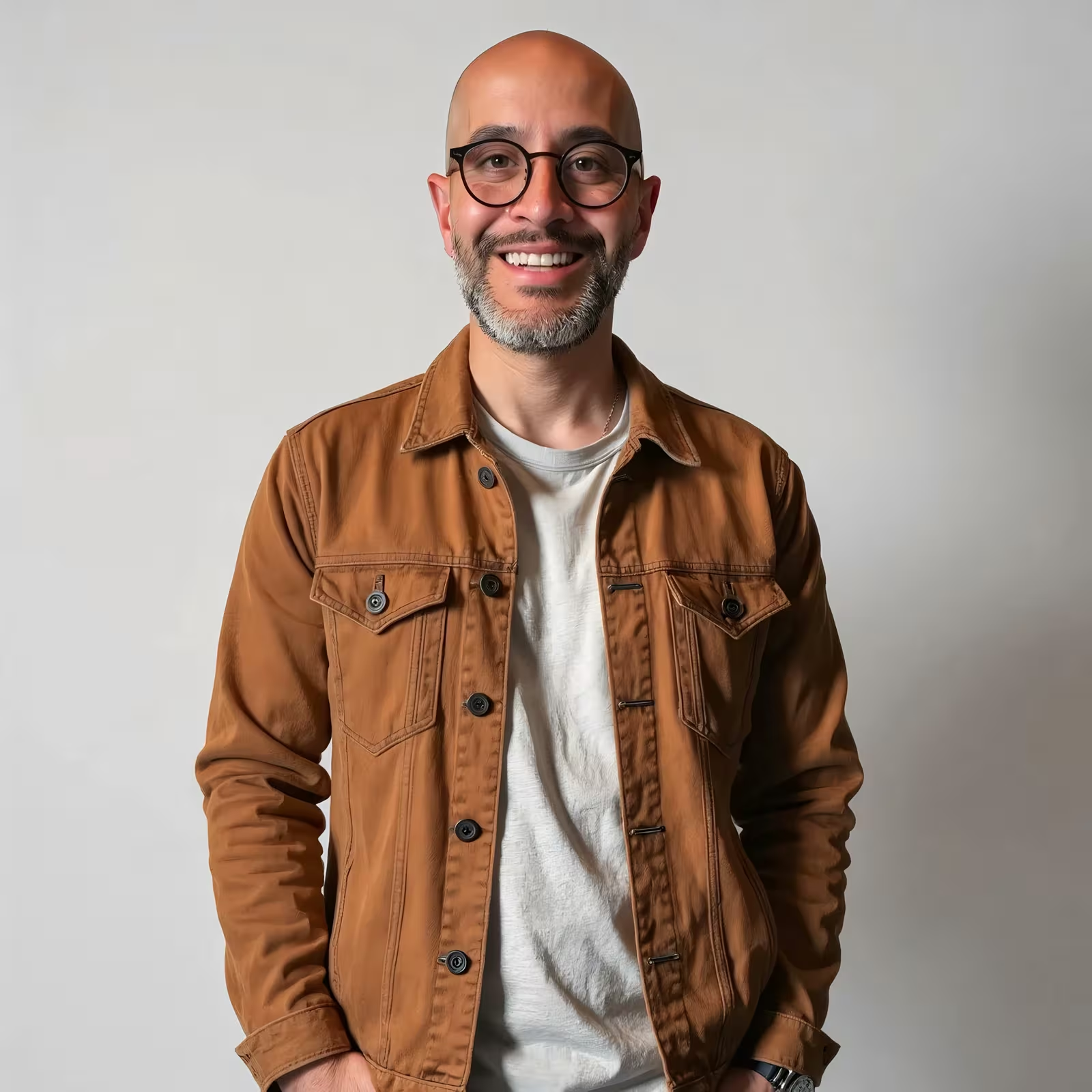
What stood out most was their ability to balance strategic thinking with hands-on execution. They understood our industry.





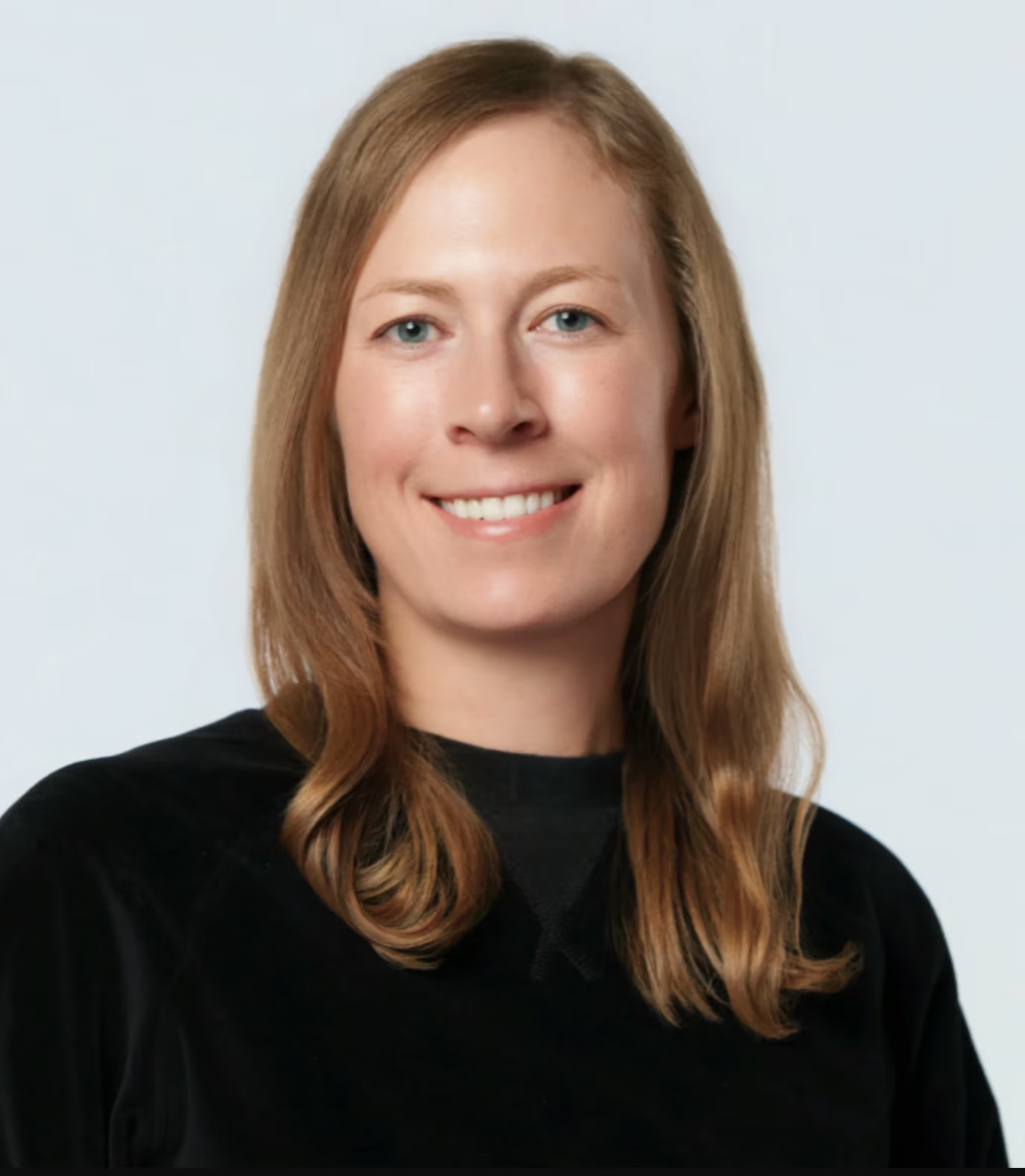
I’ve worked with a lot of PR agencies, most of whom I would not want to work with again. This is not the case with Salient. I wholeheartedly recommend this group.





If this sounds familiar
Executives who want to be on stage at the events that matter
Companies competing against founders with bigger profiles
Teams who don't have time to research and apply themselves

Things you probably want to know
Honest answers — the kind that help you choose with confidence.
How do you get speaking engagements at conferences?
You submit to the call for speakers, on time, with a session idea that isn't about your product. Almost every event worth your time runs an open submission with a published theme, and the deadlines land long before anyone is thinking about the conference. We track which calls are open in your market, build sessions against what each event actually programmed last year, write the submissions and manage the deadlines. The research is the work. Writing the abstract is the easy part.
How long before we get a speaking slot?
Two to three quarters, because the calendar decides this, not the effort. Most conference calls for speakers close six to nine months before the event, so a proposal written in March is on stage in September at the earliest. Most cold applications get declined, which is why the number of calls you enter matters more than the polish of any one of them. Anyone promising you a stage this quarter is selling you a sponsorship.
What if we've never spoken at a conference before?
It barely hurts you, because program committees are picking a session, not a résumé. They want a specific idea their audience hasn't heard, from someone who actually did the work. First-time speakers get accepted every year at events that pass on polished keynote pros with generic topics. Committees screen for abstracts that smell like a product demo. That is what gets you rejected, not a thin speaking history.
What counts as a speaking engagement?
Any programmed slot at someone else's event. Keynote, panel, breakout session, workshop, fireside chat. We aim at panels and breakouts first and work up to keynotes, because a breakout full of your actual buyers is worth more than a keynote to a general audience, and because most events program repeat speakers into their biggest slots. Sponsored stage time is a sixth category, and it is not the same thing.
Do you pay conferences for speaking slots?
No, we apply through open calls for speakers rather than buying stage time. A lot of what gets sold as a speaking opportunity is a sponsorship with a microphone attached: the stage time is bundled into a package and the event never says so publicly. When a conference has no genuine open track we tell you, and you decide whether that sponsorship is worth buying on its own terms. Usually it isn't. Your exec won't be paid to speak either. That isn't how B2B works.
Do you help with the actual presentation?
We prep the session with you. Talking points, narrative structure, slide review and a full run-through before you're on stage. Getting accepted is the hard part, but a bad session is worse than no session, because the room is full of exactly the people you were trying to reach. We work the narrative first and the slides second. Then we make the slot pay for itself: clips, quotes, social and follow-on press. One accepted talk should produce months of material, not one afternoon.
How do you decide which conferences to apply to?
We read last year's agenda before we read this year's call for speakers. The program committee already told you exactly who they pick and what they pick them for, and most applicants never look. For each event we check who actually spoke, what job titles were in the room, whether vendors get programmed at all, and when the call closes. You end up with a shorter, more regional list than you expected, and usually one cut you'll argue with.

Ready to stop managing your agency?





